
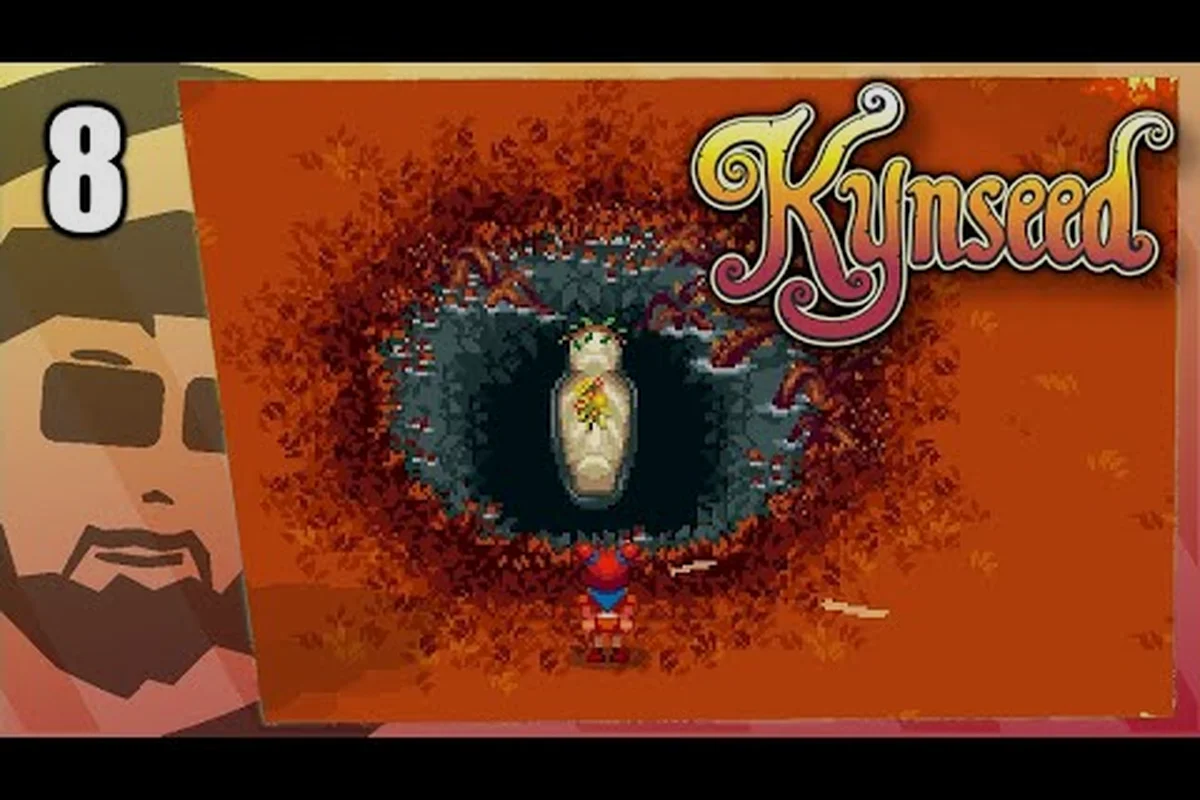
Thornborough sits at the heart of the Vale, and its Kynseed Thornborough lore shapes everything from the shops you inherit to the festivals you celebrate across generations. This town isn't just a starting hub—it's a living chronicle of the world's mythology, with each building, NPC, and seasonal event carrying echoes of ancient legends. Understanding this history matters because it directly affects your legacy: the choices you make as a shopkeeper, spouse, and parent ripple through the same stories that defined the town centuries before your first character drew breath.
The town's name itself hints at its thorny past, and the Kynseed mythology woven into Thornborough's foundations explains why the magical acorn chose this specific valley as its anchor point. By the time you finish reading, you'll know exactly how the town's timeline connects to the broader world, which festivals carry real gameplay weight, and how the legends you hear from villagers connect to the Kynseed lore that drives the entire life-sim experience.
Thornborough's Founding Legends and Mythological Roots
The founding of Thornborough is steeped in Kynseed mythology that predates the town's first wooden walls. According to community reports and the stories villagers tell around the tavern hearth, the settlement grew around a single sacred oak that stood where the town square now hosts the seasonal festival grounds. That oak wasn't ordinary—it was said to be a direct descendant of the original tree that produced the first Kynseed, the magical acorn that grants mortals the ability to pass their consciousness down through their bloodline.
The Whispering Oak, as older NPCs call it, was supposedly planted by a figure known only as the First Keeper, a mysterious wanderer who arrived in the Vale with nothing but a satchel of acorns and a promise to protect the land from the darkness that lurks beyond the borders. While the tree itself is long gone, its stump remains visible near the town center, and players have reported that interacting with it triggers unique dialogue from certain villagers who remember the old stories passed down through their families.
The Kynseed legends surrounding Thornborough's founding also explain the town's unusual architecture. The blacksmith's forge sits on the exact spot where the First Keeper supposedly defeated a Glimmerfang, a shadowy wolf-like creature from the Fae realm, using nothing but a hammer and the light of the acorn. That battle supposedly created the crater that later became the town's central well, and the forge was built there to "keep the fire burning against the dark," as the elderly blacksmith often reminds newcomers.
The Role of the Fae in Thornborough's Early History
The Fae play a central role in Thornborough's mythological past, and their influence appears throughout the town's oldest structures. The Moonpetal Shrine, tucked behind the apothecary, honors a Fae queen who allegedly traded secrets of herbal healing with the town's first settlers in exchange for a promise to never cut down the sacred grove to the east. That grove still stands today, and players who explore it during the right season can find rare ingredients that only grow where Fae magic once touched the soil.
According to Kynseed lore shared by long-time players, the Fae's bargain with Thornborough's founders created a delicate balance that still affects gameplay. The shrine requires offerings of specific flowers to unlock its full benefits, and neglecting it for too long reportedly causes certain rare spawns to become scarcer in the surrounding woods. This connection between mythology and mechanics is one of the reasons the town's lore feels so alive—the stories aren't just flavor text; they're operational rules that shape your daily routine.
The Kynseed Timeline: From Founding to the Present Day
The Kynseed timeline of Thornborough spans centuries, and understanding its major epochs helps you appreciate why certain NPCs behave the way they do. Community researchers have pieced together a rough chronology from in-game books, NPC dialogue, and environmental storytelling, and while the developers at PixelCount Studios haven't confirmed every detail, the timeline below reflects the most widely accepted reconstruction based on player discoveries.
| Era | Approximate Period | Key Events | Gameplay Impact |
|---|---|---|---|
| The Founding Era | 0-50 years | First Keeper plants the sacred oak; town established | Unlocks the Whispering Oak stump interactions |
| The Fae Compact | 50-120 years | Moonpetal Shrine built; herbal trade with Fae begins | Rare ingredient spawns tied to shrine offerings |
| The Shadow Years | 120-200 years | Glimmerfang attacks; walls constructed | Combat-focused quests and dungeon content |
| The Merchant Age | 200-350 years | Trade routes established; shops expanded | Business mechanics and shop inheritance systems |
| The Modern Era | 350-present | Current game timeline; festivals formalized | Seasonal events and legacy progression |
The timeline reveals that Thornborough's current prosperity rests on centuries of layered history, and each era left physical marks on the town that observant players can identify. The Old Wall segments near the eastern gate date back to the Shadow Years, while the Merchant Quarter buildings show architectural styles from the Merchant Age. This historical depth makes exploring Thornborough feel like walking through a living museum, and it rewards players who take the time to read the environmental details.
How the Timeline Connects to Your Legacy
Your character's journey in Kynseed doesn't exist in isolation—it becomes the next chapter in this ongoing Kynseed timeline. When you inherit a shop and pass it to your children, you're continuing a tradition that stretches back to the Merchant Age, when the original shopkeepers established the trade routes that still determine which goods are available in town. The Legacy System tracks your family's contributions, and villagers will comment on your ancestors' deeds if you've maintained their businesses well.
This generational connection is one of the most compelling aspects of Kynseed lore, because it makes your personal story feel historically significant. The choices you make today—whether you expand your blacksmith shop or convert it to a tavern—will be remembered by future generations of NPCs, just as you remember the legends of the First Keeper. For a deeper look at how the broader story arcs play out across generations, the Kynseed lore guide breaks down the major plot threads and how they interconnect.
Festivals of Thornborough: Seasonal Celebrations and Their Origins
Thornborough's festivals are more than just colorful distractions—they're living traditions that trace their roots directly back to the town's founding myths. Each seasonal celebration commemorates a specific event from the Kynseed legends, and participating in them yields rewards that range from unique items to relationship boosts with villagers. Understanding the mythological origins of these festivals adds a layer of appreciation to the gameplay, because you'll recognize the stories being reenacted in the festival activities.
| Festival | Season | Mythological Origin | Key Rewards |
|---|---|---|---|
| Kindling Festival | Spring | Commemorates the First Keeper's fire that drove back the Glimmerfang | Fire-related crafting recipes, rare seeds |
| Moonpetal Blessing | Summer | Honors the Fae queen's healing compact | Unique herbs, shrine blessings, Fae-themed cosmetics |
| Harvest of Echoes | Autumn | Celebrates the Merchant Age trade boom | Gold bonuses, rare trade goods, shop upgrades |
| Longnight Vigil | Winter | Marks the Shadow Years' darkest night and the town's survival | Exclusive winter gear, combat buffs, legacy tokens |
The Kindling Festival is particularly significant because it directly reenacts the founding legend. During the event, villagers gather around a central bonfire in the town square, and players can participate by contributing firewood, telling stories, or completing small quests for the festival organizer. The festival's origin story explains why fire plays such a prominent role in Thornborough's identity—it's a reminder of the night the First Keeper's flames held back the darkness.
Festival Participation and Legacy Impact
Participating in Thornborough's festivals isn't just about collecting rewards—it's an investment in your family's standing within the community. Each festival you attend and complete contributes to your Reputation Score with the town, which affects everything from shop prices to marriage prospects for your children. Villagers remember which families show up for the Longnight Vigil and which ones skip it, and that memory carries across generations.
The Kynseed festivals also serve as narrative checkpoints that advance the town's ongoing story. During the Harvest of Echoes, for example, traveling merchants arrive with goods from distant lands, and their dialogue often contains hints about events happening elsewhere in the Vale. Attentive players can piece together a broader picture of the world's political landscape by talking to these visitors, making the festivals valuable for both gameplay and lore enthusiasts.
Thornborough's Notable Landmarks and Their Hidden Stories
Beyond the festivals and founding legends, Thornborough's physical landmarks each carry their own slice of Kynseed lore that rewards exploration and curiosity. The town is packed with environmental storytelling, and players who take the time to examine buildings, read plaques, and talk to every NPC will uncover layers of history that casual players miss entirely.
The Old Mill on the town's western edge is a prime example. Most players pass it on their way to the woods, but the mill's crumbling machinery tells the story of a failed expansion attempt during the Merchant Age. According to community research, the mill was supposed to double Thornborough's grain production, but a dispute with the Fae over water rights led to the project being abandoned. The mill's current owner, a reclusive NPC named Maren, inherited the property and maintains it as a shrine to her family's failed ambitions, offering unique dialogue to players who ask about the mill's history.
The Tavern's Role in Preserving Oral History
The Thornborough Tavern serves as the town's unofficial archive of oral history, and its keeper, Old Bram, is the single best source of Kynseed legends for players willing to buy him drinks and listen. Bram's stories shift with the seasons, and players have cataloged over forty distinct tales he can tell, ranging from the founding era to more recent events involving the player's own family. Some of these stories contain actionable hints about hidden treasure locations or rare NPC schedules, making the tavern a valuable stop for lore hunters and completionists alike.
The tavern's walls are decorated with Memory Lanterns, each one supposedly containing a fragment of a deceased villager's final thoughts. Bram claims the lanterns were a gift from the Fae, and players who examine them closely can sometimes trigger small cutscenes showing glimpses of Thornborough's past. These lanterns tie directly into the Kynseed mythology of memory and legacy, reinforcing the game's central theme that the past never truly dies—it just waits to be remembered.
How Thornborough's Lore Shapes Gameplay Decisions
Understanding Thornborough's history isn't just academic—it directly informs practical gameplay decisions that can make or break your early generations. The town's mythological foundations influence everything from which shops you should prioritize inheriting to which NPCs you should befriend first, and players who approach the town with lore in mind tend to progress more smoothly than those who treat it as just another game hub.
The Apothecary's Connection to the Moonpetal Shrine is one of the most actionable pieces of Kynseed lore for new players. Because the shrine's Fae compact guarantees rare herb spawns in the eastern grove, investing early in the apothecary business gives you access to high-value ingredients that other shops can't source. This makes the apothecary one of the strongest early-game inheritances, and it's a direct payoff for understanding the town's mythological history.
| Lore Insight | Gameplay Application | Difficulty | Recommended Timing |
|---|---|---|---|
| Fae compact ensures rare herbs | Prioritize apothecary inheritance | Beginner | First generation |
| Shadow Years left combat ruins | Farm dungeon materials early | Intermediate | Second generation |
| Merchant Age trade routes persist | Focus on goods store expansion | Beginner | First or second generation |
| Longnight Vigil builds reputation | Attend every winter festival | Beginner | Every generation |
The Kynseed timeline also reveals that certain shops become more valuable as the generations progress. The blacksmith, for example, sees increased demand during the Shadow Years-themed content that unlocks in later generations, making it a strong long-term investment even if it underperforms early. Players who understand this historical arc can plan their business strategies across multiple generations rather than making short-sighted decisions based on immediate returns.
Practical Tips for Lore-Driven Progression
If you want to leverage Thornborough's lore for practical advantage, start by talking to every NPC during your first week in town. The elderly villagers carry the most historical knowledge, and their dialogue often contains hints about hidden mechanics that aren't documented anywhere else. Community reports suggest that building relationships with these elders unlocks unique dialogue options that can reveal secret shop discounts or rare item locations.
Additionally, make a habit of visiting the Moonpetal Shrine weekly and maintaining your offerings. The shrine's blessing doesn't just affect herb spawns—it also reportedly improves your family's fertility rates, which directly impacts how quickly you can progress through generations. This connection between mythology and mechanics is exactly what makes Kynseed's lore system so rewarding, and it's a perfect example of why the creatures guide emphasizes understanding the Fae's role in the world.
Frequently Asked Questions
What is the significance of the Whispering Oak in Kynseed Thornborough lore?
The Whispering Oak was the sacred tree planted by the First Keeper, and it's considered the spiritual heart of Thornborough. According to Kynseed mythology, the oak was a descendant of the original tree that produced the first Kynseed, making it the source of the town's connection to the magical acorn and the legacy system.
How do festivals in Thornborough affect my gameplay?
Festivals like the Kindling Festival and Longnight Vigil provide unique rewards and boost your reputation with villagers. Attending every festival across generations builds long-term standing that affects shop prices, marriage prospects, and even rare item availability. The Kynseed festivals also advance the town's narrative and unlock special dialogue from traveling merchants.
Are the Kynseed legends about the Fae actually true in the game?
The Fae compact is one of the most consistently supported legends in the game, with the Moonpetal Shrine's mechanics confirming that offerings affect rare spawns. While the developers haven't confirmed every detail, community testing shows that maintaining shrine offerings genuinely improves herb availability, suggesting the mythology reflects real gameplay systems.
How does the Kynseed timeline affect which shop I should inherit?
The timeline reveals that different shops peak in value at different generations. The apothecary benefits from the Fae compact immediately, while the blacksmith gains relevance during Shadow Years content in later generations. Understanding this historical arc helps you plan inheritance strategies across multiple generations rather than focusing only on immediate returns.
Can I learn the full history of Thornborough from NPCs?
Yes, Old Bram at the tavern shares over forty stories covering Thornborough’s founding legends and timeline, while elderly villagers add context. Building relationships unlocks unique dialogue revealing hidden lore details. For the complete picture, pair NPC conversations with exploring landmarks like the Blacksmith and Apothecary, then check the beginner walkthrough for a structured approach.